What Korean Culture Can Teach Us About Slowing Down
Most travellers come home from Korea talking about the food, the shopping and the skincare. Then a few weeks pass, and they start talking about something harder to name: how calm they felt there, and how quickly that calm disappeared once they were back at their desk.
I hear this from my own travellers again and again. Korea is one of the most modern, fast-moving countries in the world. Seoul alone is home to nearly ten million people. And yet the culture holds on to habits and places that slow you down, almost without you noticing. That contrast is what makes Korea such a special destination for anyone who feels stretched thin at home.
A culture built on small rituals
Korean daily life is full of small acts of attention. You bow slightly when you greet someone. You pass and receive things with two hands. You take your shoes off before you step inside a home. At the table, you wait for the eldest person to lift their spoon before you start eating.
None of this is complicated, and visitors are not expected to get it all right. But after a few days, you notice what these habits do. They pull you out of autopilot. Each one is a tiny pause, a moment where you have to be present with the person in front of you. At home, most of us move through the whole day without a single pause like that.
Old and new, side by side
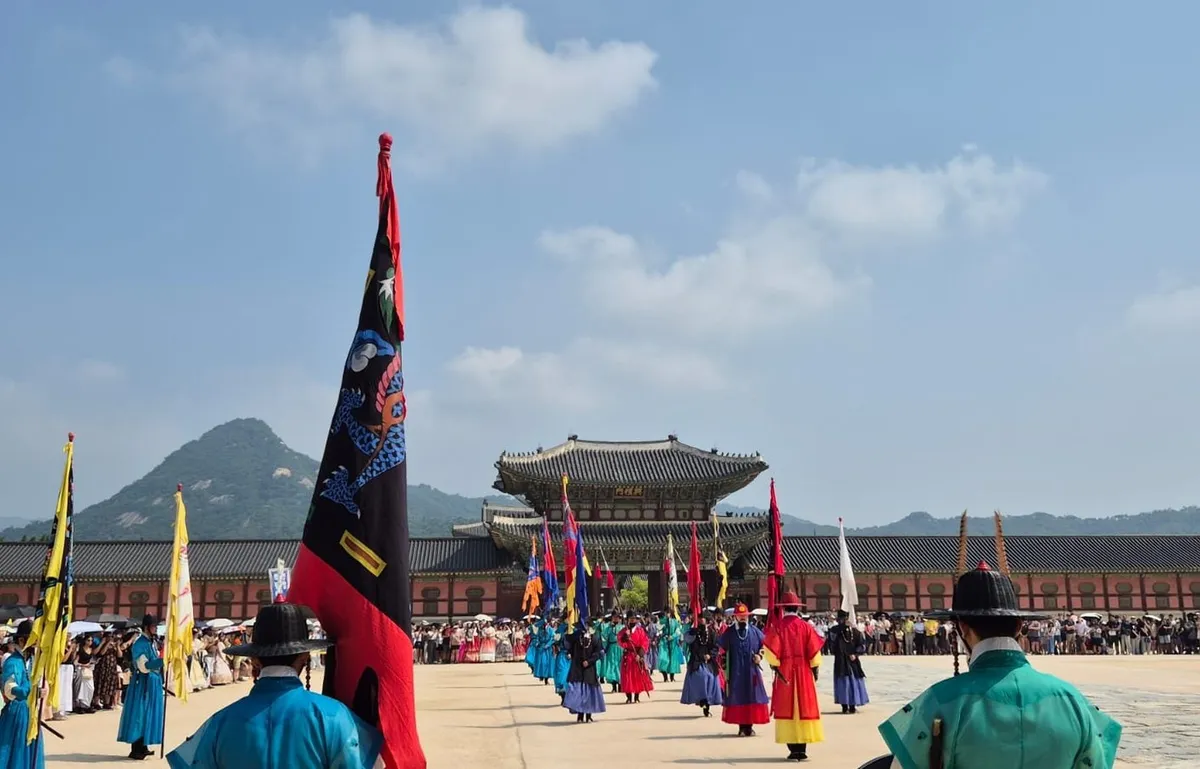
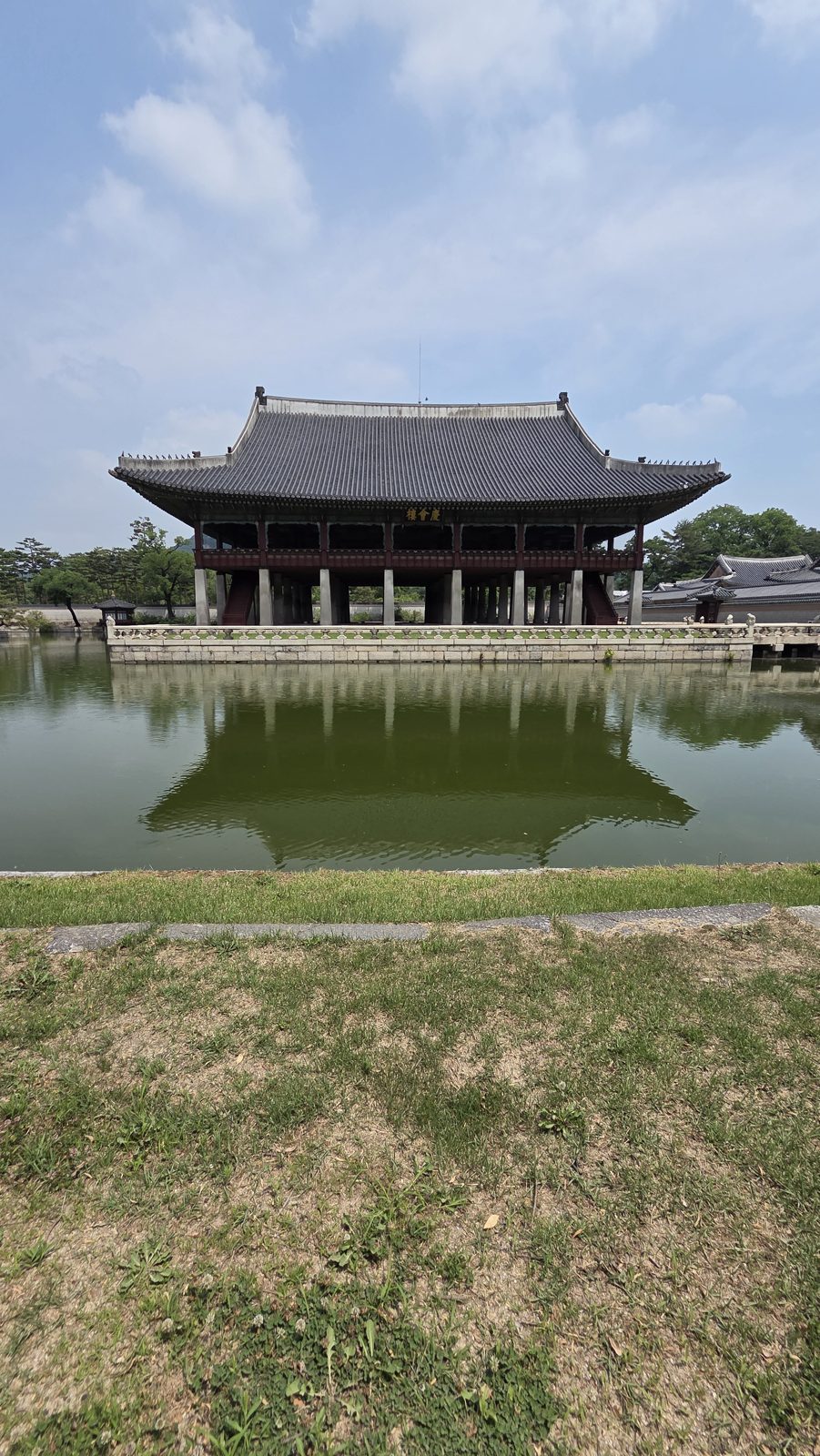
In the centre of Seoul, the glass towers stop at the walls of Gyeongbokgung Palace. Built in the 14th century as the main royal palace of the Joseon dynasty, it is a huge, open space of courtyards, painted wooden halls and mountain views. You can watch the changing of the royal guard at the main gate, then walk ten minutes and be back among coffee shops and office workers.
A short walk away is Bukchon Hanok Village, a hillside neighbourhood of traditional Korean houses called hanok. People still live in them. The hanok itself says a lot about how Koreans think about rest: rooms arranged around a quiet courtyard, heated floors called ondol that invite you to sit low and stay a while, and natural materials of wood, stone and paper. These are houses designed around stillness, in the middle of one of the busiest cities on earth.
Nearby, the streets of Insadong are lined with calligraphy shops, galleries, pottery studios and traditional teahouses. It is the kind of place where an hour disappears and you do not mind at all.
Korea also lives closely with its seasons. Spring blossoms, summer rain, autumn foliage and the first snow are all genuine events, photographed, celebrated and talked about. Many visitors notice how often Koreans stop to look at something beautiful. There is even a word, jeong, for the deep, warm attachment that grows between people, places and things over time. It is a culture that pays attention, and attention is exactly what most of us have lost.
Temples in the middle of the city
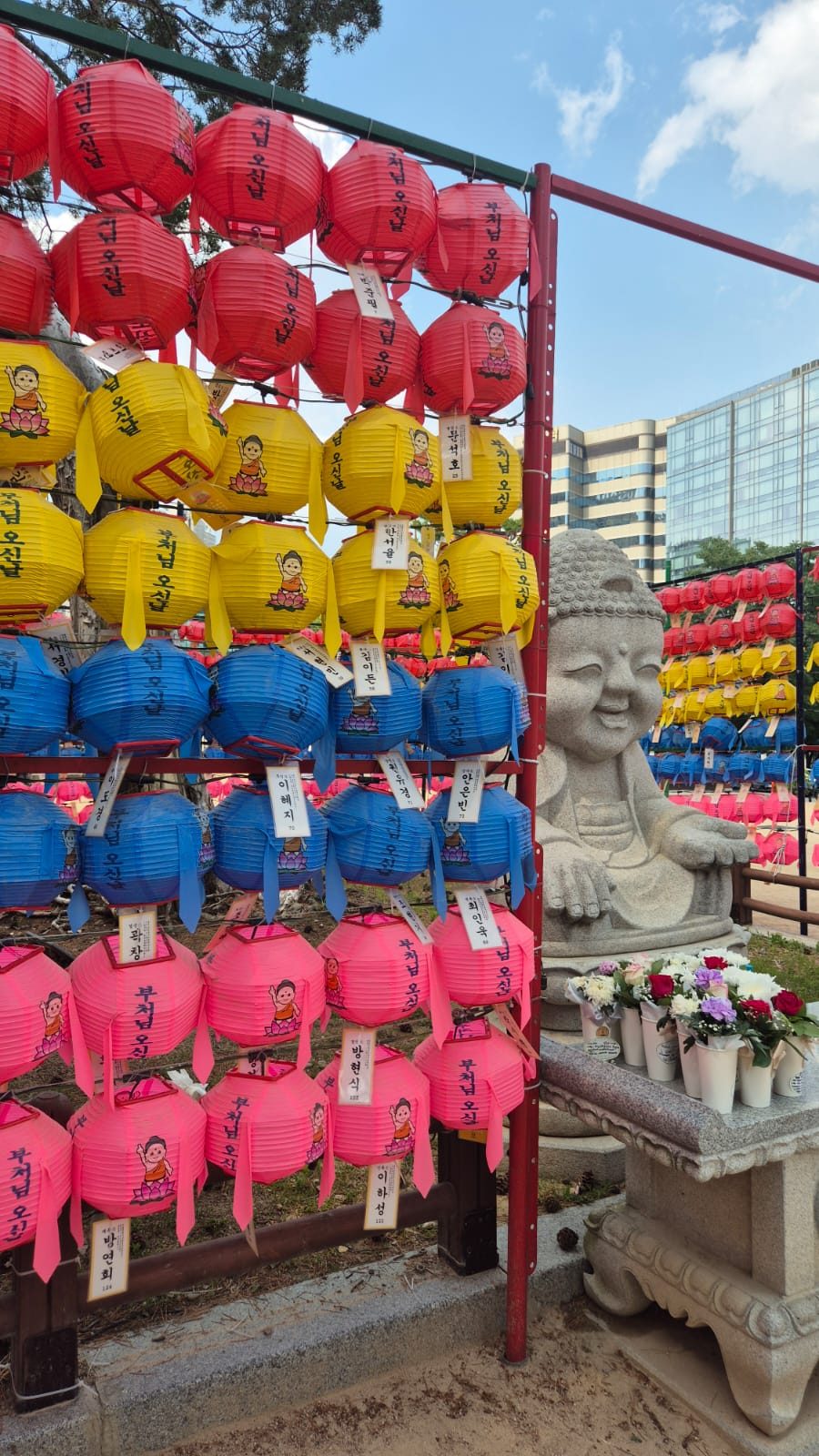
Buddhism has been part of Korean life for about 1,700 years, and the temples are not museums. Jogyesa Temple sits right in downtown Seoul, a few streets from the shopping districts. Office workers step in before work. Grandmothers bring flowers. In spring, the courtyard fills with thousands of paper lanterns for Buddha’s birthday.
You do not need to be Buddhist to visit, and nobody will ask you why you came. You take off your shoes to enter a hall, keep your voice low, and sit as long as you like. That is the whole etiquette. Many visitors are surprised by how emotional those quiet minutes can be. There is nothing to buy, nothing to decide and nothing to answer. For a busy woman, that may be the rarest luxury of all.
Outside the cities, mountain temples offer an even deeper quiet. Korea’s well-known Templestay program even lets visitors spend a night at a working temple, share tea with a monk and eat simple temple food. You do not have to go that far to feel the effect. Even one slow hour in a temple courtyard changes the pace of your whole day.
What this means for your own wellbeing
You do not need to move to Seoul to borrow any of this. The lesson of Korean culture is that calm is not something you find once a year on a beach. It is built from small, repeated rituals: a meal eaten with attention, a greeting given properly, a few minutes of quiet in a beautiful place.
Travel is the fastest way to remember what that feels like. Walking a 600-year-old palace slowly, with no phone in your hand, is a completely different experience from checking it off a list.
This is exactly how we designed our small-group wellness journeys to Korea at Maxima Travel. We walk the palaces and hanok villages at an unhurried pace, sit in the temples instead of rushing past them, and leave room in every day for the quiet moments that make Korea unforgettable. If that sounds like the kind of trip you have been waiting for, we would love to tell you more.
Request the itinerary