The Korean Table: Why Korean Food Leaves You Feeling Better
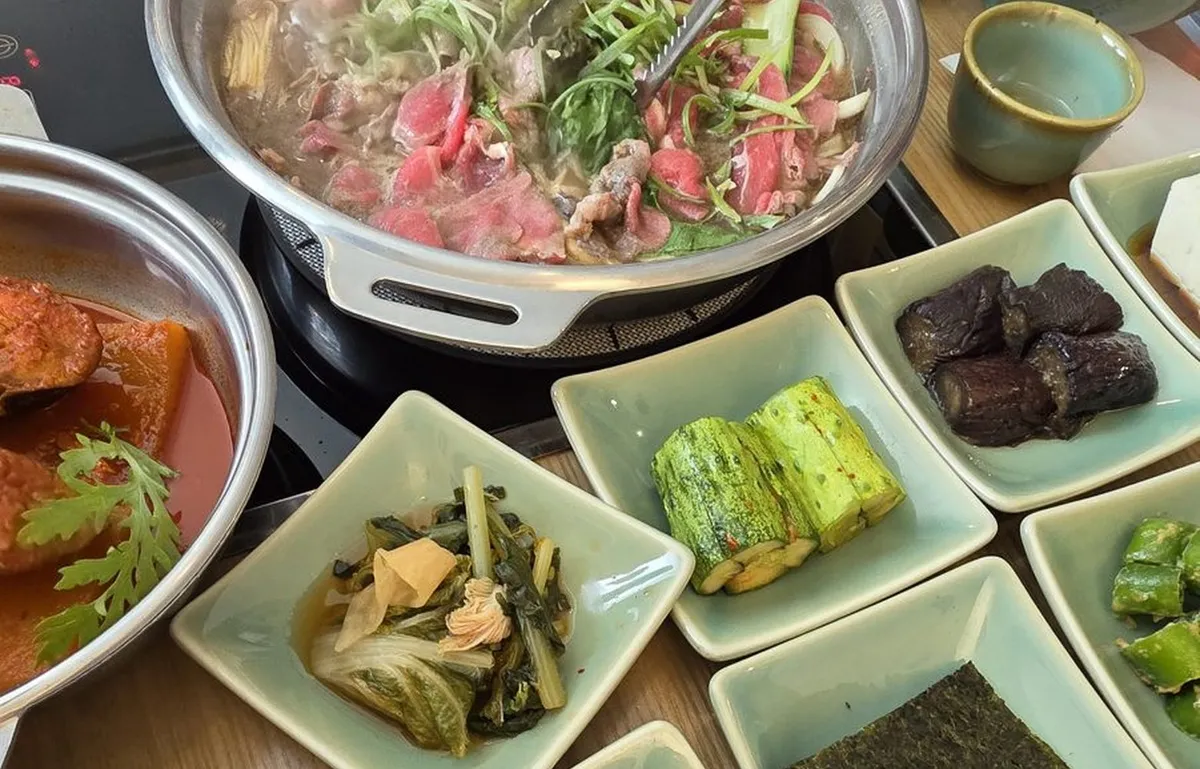
There is a moment at every first Korean meal when the table disappears. The rice and soup arrive, and then the banchan: small dishes of seasoned vegetables, greens, kimchi, egg, fish, tofu, spread across the table until there is no empty space left. First-time visitors often think they ordered too much. They have not. This is how Korea eats.
After twenty years of organizing travel, I can say that food is where Korea surprises people most. Not because it is exotic, but because of how good they feel eating it, day after day.
Balance is built into the meal
A traditional Korean meal is balanced by design. Rice gives you the base. Soup or stew gives you warmth and comfort. The banchan gives you a variety: fermented vegetables, leafy greens, root vegetables, a little protein, each in a small portion. You compose every bite yourself, and no single dish dominates the meal.
The result is a way of eating that is mostly vegetables, naturally portioned and endlessly varied, without anyone counting anything. Nobody at a Korean table is talking about macros. The structure of the meal quietly does the work.
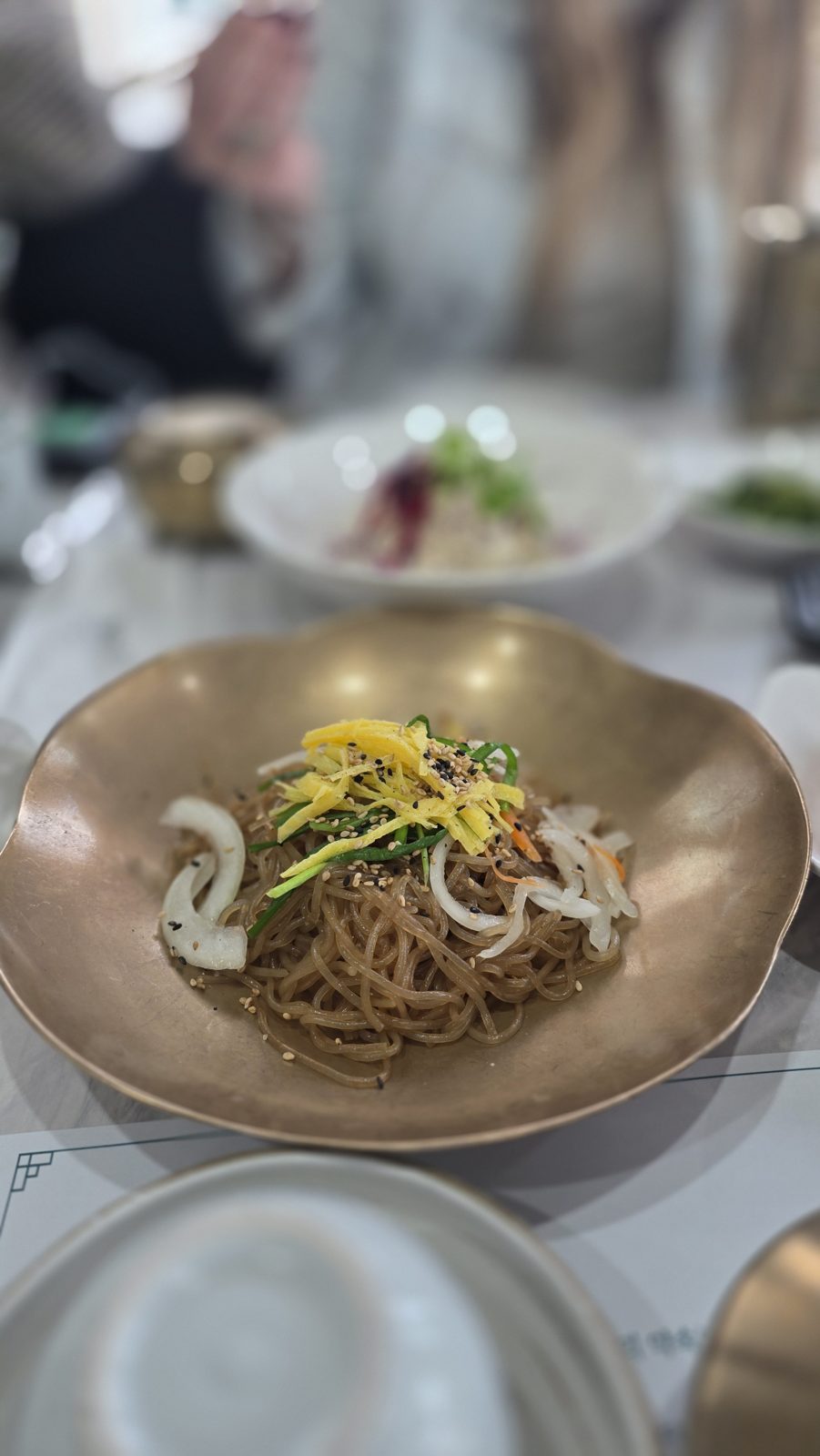
Bibimbap is the idea in a single bowl: rice topped with seasoned vegetables, a little meat or tofu, an egg and a spoonful of chili paste, stirred together at the table. It began as a practical way to use what the kitchen had, and it remains one of the most satisfying and best-balanced dishes you can eat anywhere.
Fermentation, the Korean superpower
Kimchi is the most famous example, but fermentation runs through the whole cuisine: soybean paste, chili paste, soy sauce, dozens of fermented vegetables. These foods were born from the need to preserve the harvest through cold winters, and generations later, the world has caught up to what Korean grandmothers always knew. Fermented foods are good for digestion, and a Korean meal serves them as a matter of course, not as a health product.
Kimchi deserves a special word. Families still make it together in late autumn, in a tradition called kimjang that is recognized by UNESCO as cultural heritage. When you eat kimchi in Korea, you are tasting someone’s family recipe, and every region, restaurant and household does it differently.
Food as medicine
Korean food culture never separated eating from health. The classic example is samgyetang, a whole young chicken stuffed with rice, ginseng, garlic and jujube, simmered into a gentle soup. Koreans traditionally eat it on the hottest days of summer to restore energy. Porridges for recovery, seaweed soup for new mothers and birthdays, roots and herbs in everyday dishes: the line between the kitchen and the pharmacy has always been thin in Korea.
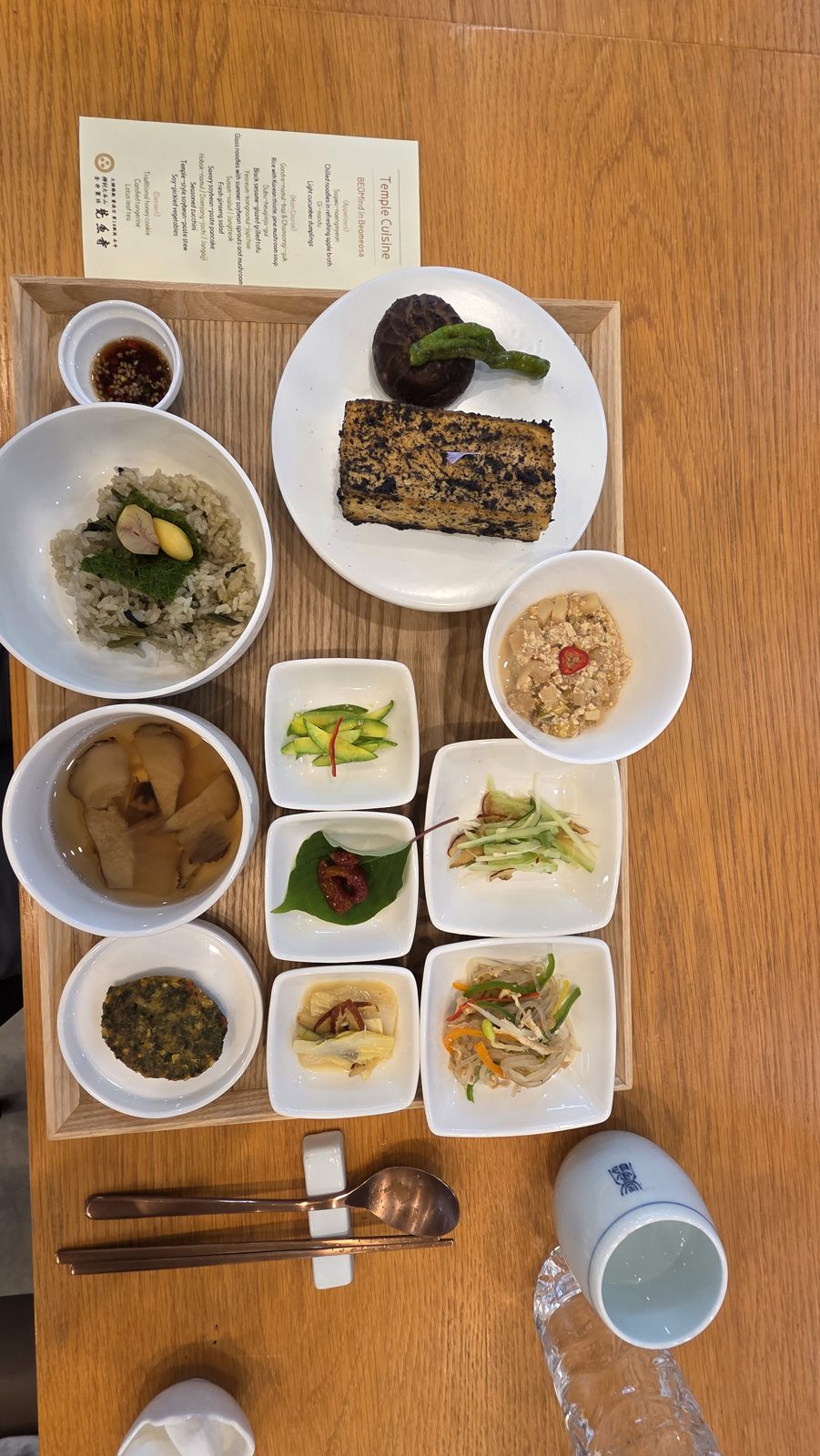
You feel this most clearly in temple food, the simple vegetarian cooking of Korean Buddhist temples. Prepared with minimal seasoning and deep care, it has become famous among chefs around the world. A temple meal, eaten slowly and in silence, changes how you think about what a meal is for.
The market, where food is alive
To understand Korean food, spend a morning in a traditional market. At Gwangjang Market in Seoul, one of the country’s oldest, vendors have been frying mung-bean pancakes and rolling gimbap at the same stalls for generations. You eat standing or perched on a stool, next to students, office workers and grandmothers, and everything is made in front of you.
Markets also show you how seasonal Korean cooking still is. Spring brings wild greens called namul, summer brings cooling noodles, autumn is harvest and kimchi-making season, winter is for rich stews and warming soups. Eating with the seasons was never a trend in Korea; the food has always worked that way.
And then there is Korean street food, which deserves its own love letter: hotteok pancakes filled with brown sugar and nuts in winter, fish-shaped pastries, skewers and dumplings eaten in the open air. Wellbeing is not only vegetables. Sometimes it is a warm pancake on a cold evening, eaten slowly, with someone laughing next to you.
Eating together, slowly
Perhaps the most important ingredient is the one you cannot buy. Korean meals are shared. The dishes sit in the middle of the table and everyone eats from them together, which naturally slows the meal down and turns it into conversation. Grilling your own meat at the table with friends, wrapping a bite in a lettuce leaf, pouring tea for the person next to you: eating in Korea is social by default.
Many of us eat most of our meals alone, quickly, at a desk or in the car. A week of Korean meals is a gentle reminder of what we gave up, and how good it feels to get it back.
On our Lead From Within journey, food is part of the wellness, not a break from it. We share traditional meals, taste temple cooking and sit around the table as a small group of women with time to talk. Come hungry. You will leave lighter than you expect.
Request the itinerary