Korean Tea Culture: The Original Slow Break
Seoul runs on coffee. There are cafes on every corner, and Koreans drink as much of it as anyone in the world. But look a little closer, in the back streets of Insadong or in a temple on a hillside, and you find something older and quieter: a tea culture that has been teaching people how to pause for more than a thousand years.
If coffee is how Korea speeds up, tea is how Korea slows down. For the travellers I bring to Korea, an afternoon of tea often becomes the memory they talk about most.
A world beyond green tea
Korean green tea is excellent, much of it grown in the famous fields of Boseong in the south and on Jeju Island. But Korean tea culture goes far beyond green leaves. Many beloved Korean teas are infusions made from fruits, roots and grains, each with its own traditional purpose.
Yuja tea is a bright citrus preserve stirred into hot water, the classic comfort for a winter cold. Omija tea is made from the five-flavour berry, said to taste sweet, sour, salty, bitter and spicy at once. Jujube tea is dark and warming. Ginger tea settles the stomach. And humble roasted barley tea is served free with meals in homes and restaurants across the country, often instead of water.
Tea in Korea doubles as the original home remedy, matched to the season and to how you feel.
The teahouse pause
The best place to meet this culture is a traditional teahouse, and the best neighbourhood for it is Insadong in Seoul. Behind wooden doors you find low tables, handmade pottery, birdsong recordings or a real courtyard garden, and a menu of teas brewed with complete seriousness.
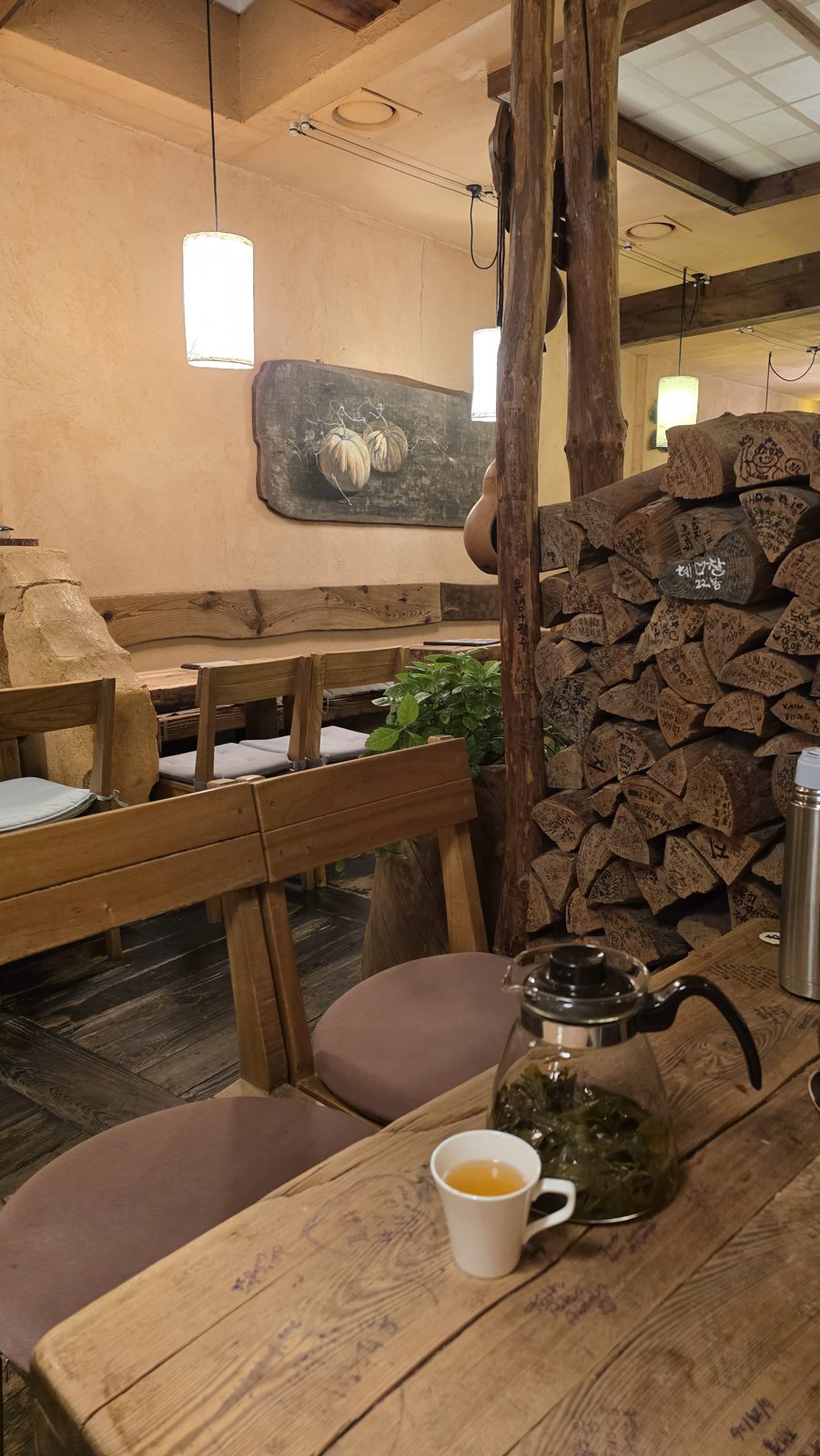
Nobody hurries you. The tea arrives with a small sweet, often traditional hangwa made from rice, honey and nuts. The cup is beautiful because a potter made it by hand. You are expected to stay a while. An hour in an Insadong teahouse costs about the same as two lattes at home and does something a latte has never done for me: it ends with you feeling more rested than when you sat down.
The tea ceremony: attention as a practice
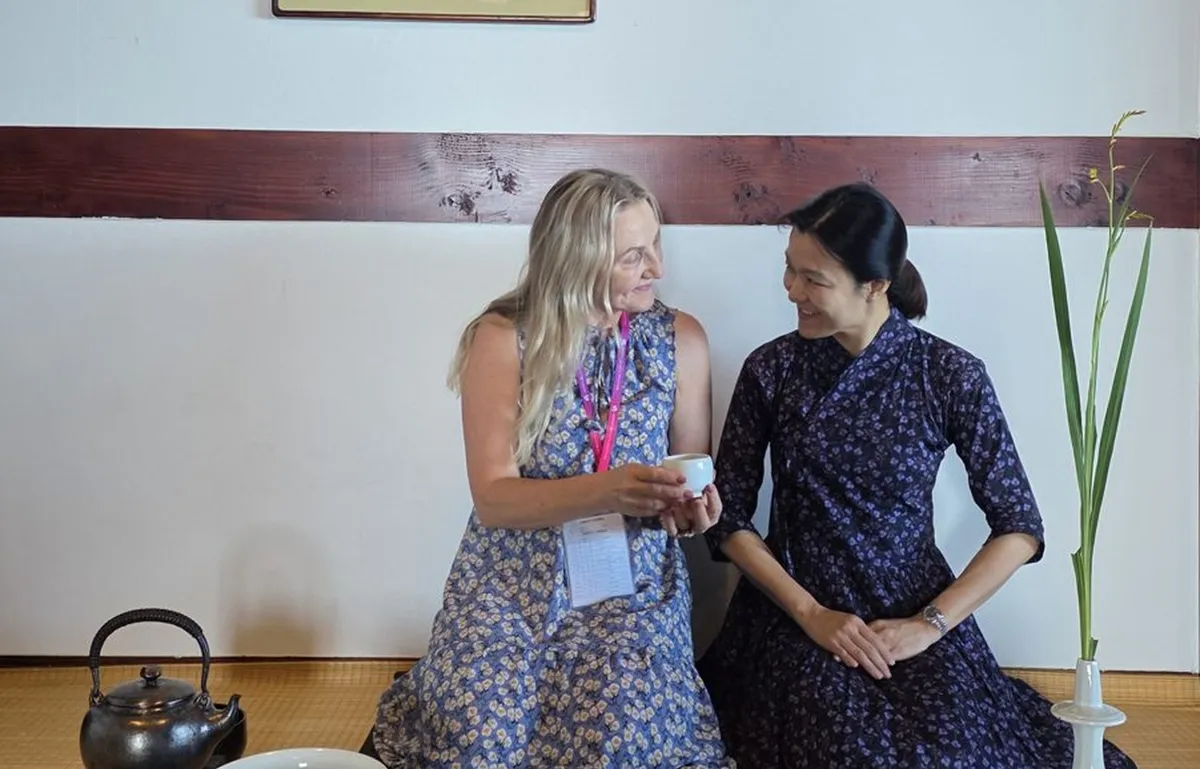
Korea also has a formal tea ceremony, called darye, which translates roughly as etiquette for tea. It is less rigid than the Japanese ceremony and was shaped over centuries in Korean temples and scholars’ homes. Water is heated, the pot and cups are warmed, the leaves are steeped and poured in a calm order, and the tea is received with both hands.
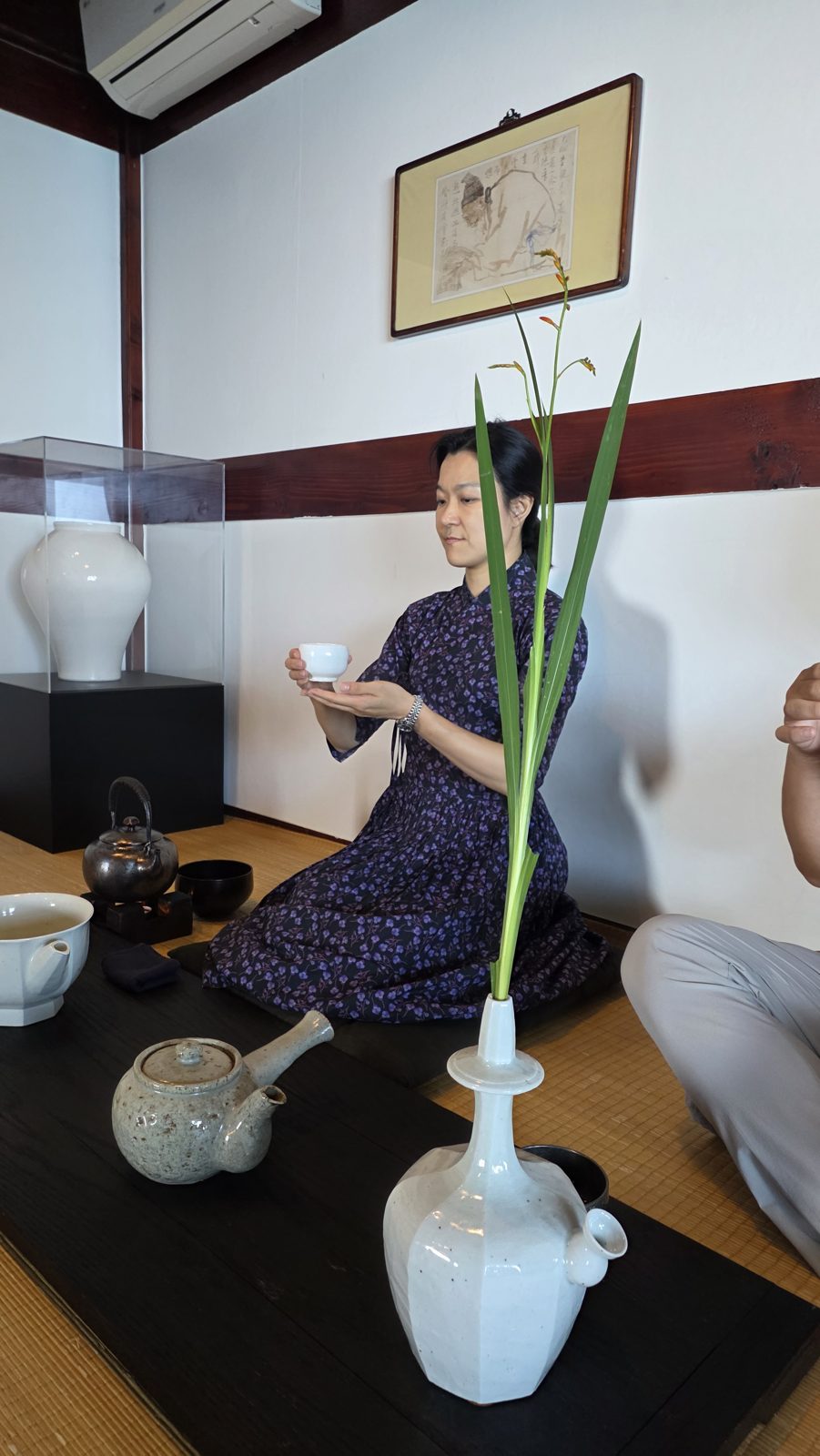
Sitting through a tea ceremony for the first time, many people are surprised by their own reaction. The pace feels almost impossibly slow for the first five minutes. Then something lets go. The ceremony is really a lesson in doing one thing at a time, with full attention, in good company. It is meditation disguised as hospitality.
In temple settings, tea and meditation have been linked for centuries. Monks drank tea to stay alert and calm during long hours of practice. When a monk pours you tea in a quiet hall, you understand immediately that this is not about the beverage.
Tea came from the temples
Tea reached Korea more than a thousand years ago, carried along the same routes as Buddhism, and the two have been linked ever since. For centuries it was the drink of monks and scholars, prepared carefully and shared as a mark of respect. The green tea fields of Boseong, with their curved rows running over the hills, are now one of the most photographed landscapes in the country, and the spring harvest there is still picked by hand.
Knowing that history changes how the cup in front of you feels. That cup joins you to a very long line of people who use tea for exactly what you need it for: a clear mind and a quiet moment.
A habit worth taking home
The good news is that this souvenir packs easily. Korean tea shops will happily set you up with yuja preserve, roasted barley tea or a proper green tea and a simple pot, and most need nothing more complicated than hot water and patience. Green tea likes water a little below the boil; the fruit teas forgive almost anything. Tea also makes a thoughtful gift, which is why my travellers’ suitcases tend to come home heavier than they left.
Of all the souvenirs Korea offers, the tea habit may be the most valuable one. One pot of tea, made properly and drunk away from a screen, is a ten-minute holiday you can take every single day. It costs almost nothing, and it works.
On our Lead From Within Korea Wellness Journey, we intentionally make time for tea — in the traditional teahouses of Insadong, in the peaceful surroundings of Buddhist temples, and in those quiet moments between experiences.
On an itinerary, it may seem like a small detail. But sometimes, these simple moments become the most meaningful part of a journey.
Because it’s not just about the tea. It’s about slowing down, being present, sharing conversations, and allowing ourselves the space to simply be.
Request the itinerary